The Best Smartphones : iPhones, Samsung, Sony, Xiaomi, Amazing Products
Introduction
Smartphones have become the most ubiquitous and transformative consumer technology in human history. What began as a luxury communication device has evolved into an indispensable tool that shapes how we work, communicate, learn, entertain ourselves, and navigate the world. The global smartphone market was valued at USD 520.45 billion in 2024 and is projected to reach USD 651.82 billion by 2030, growing at a compound annual growth rate (CAGR) of 3.9% from 2025 to 2030. By 2026, the market has grown to USD 642.64 billion and is expected to expand to USD 1.129 trillion by 2034, registering a CAGR of 7.30%. Asia Pacific dominates this market with a 43.63% share.grandviewresearch+
This comprehensive article explores the smartphone ecosystem, with particular focus on four major players that have shaped the industry: Apple’s iPhone, Samsung’s Galaxy series, Sony’s Xperia line, and Xiaomi’s rapidly expanding portfolio. Each represents a distinct philosophy about what a smartphone should be and whom it should serve.
What Is a Smartphone?
A smartphone is a mobile device that combines cellular communication capabilities with advanced computing features. Unlike traditional feature phones, smartphones run complete operating systems that support multitasking, third-party applications, internet browsing, multimedia playback, and sophisticated sensors. Modern smartphones typically include high-resolution touchscreens, multiple cameras, GPS navigation, biometric authentication, Wi-Fi connectivity, Bluetooth, and powerful processors capable of handling demanding tasks.wikipedia
The key technologies that made smartphones possible include lithium-ion batteries powerful enough to run mobile computers, multi-touch screens, energy-efficient ARM architecture CPUs, mobile phone networks, and capable mobile web browsers. Today’s smartphones are essentially pocket-sized computers that happen to make phone calls.wikipedia
The iPhone: Apple’s Revolutionary Masterpiece
History and Launch
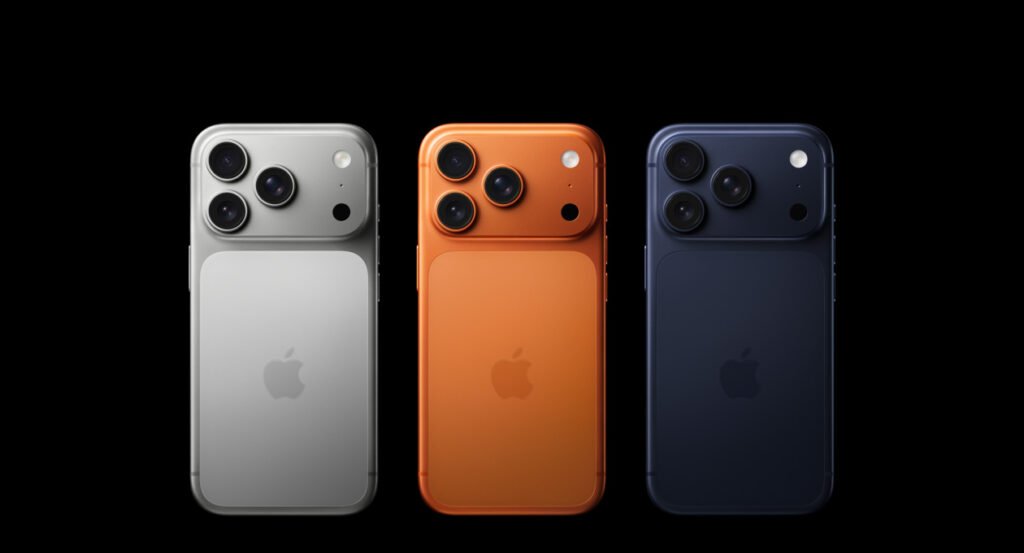
The iPhone was introduced on January 9, 2007, by Steve Jobs, fundamentally changing the smartphone industry forever. Before the iPhone, smartphones existed but were clunky devices with physical keyboards, stylus-dependent touchscreens, and limited functionality. Jobs presented the iPhone as three products in one: a widescreen iPod with touch controls, a revolutionary mobile phone, and a breakthrough internet communication device.wikipedia
The first iPhone went on sale on June 29, 2007, in the United States. Its multi-touch interface eliminated the need for a stylus or physical keyboard, allowing users to interact naturally with pinch-to-zoom, swiping, and tapping gestures. The iPhone’s operating system, originally called iPhone OS and later renamed iOS, provided a smooth, intuitive user experience that set new industry standards.
Key Features and Innovations
The iPhone’s success stems from several key innovations:
Vertical Integration: Apple controls hardware, software, and services, creating a tightly integrated ecosystem. This integration delivers exceptional performance optimization, consistent user experience, and long-term software support.
App Store: Launched in 2008, the App Store created an entirely new economy. Developers could distribute applications directly to users, and the App Store now hosts millions of apps across every category imaginable.
Premium Build Quality: iPhones are renowned for their premium materials, including aerospace-grade aluminum, surgical-grade stainless steel, and ceramic shield glass. The attention to design and build quality justifies premium pricing for many consumers.
** iOS Ecosystem**: iOS offers a clean, intuitive interface with regular updates. Apple typically supports devices with major iOS updates for 5-7 years, far longer than most Android manufacturers.
Camera Excellence: iPhone cameras prioritize computational photography, producing consistently excellent photos with minimal user effort. Features like Smart HDR, Deep Fusion, and Photographic Styles leverage advanced machine learning.
Privacy Focus: Apple has positioned privacy as a core feature, implementing on-device processing, App Tracking Transparency, and detailed privacy labels.
iPhone Lineup
Apple’s current iPhone lineup includes several tiers:
- iPhone 16 series (2024): The flagship models with the latest A18 chip, advanced camera systems, and Apple Intelligence features
- iPhone 15 series (2023): Introduced USB-C, Dynamic Island, and improved cameras
- iPhone SE: A budget-friendly option with modern performance in a classic design
- Previous generations: Often sold at reduced prices, offering excellent value
The iPhone consistently ranks among the best-selling smartphones globally, with Apple capturing the majority of smartphone industry profits despite having a smaller market share than Android manufacturers combined.
Samsung Galaxy: The Android Powerhouse
History and Market Position
Samsung Galaxy smartphones were first introduced in 2009, marking Samsung’s entry into the modern smartphone market. The Galaxy series quickly became Android’s flagship line, competing directly with iPhone. Samsung Galaxy devices now dominate the Android market and represent the largest share of premium smartphones worldwide.wikipedia
Asia Pacific’s dominance in the smartphone market (43.63% share) includes South Korea, where Samsung is headquartered. Samsung’s vertical integration—producing its own displays, memory chips, processors, and batteries—gives it significant advantages in supply chain control and technological innovation.fortunebusinessinsights
Galaxy Series Breakdown
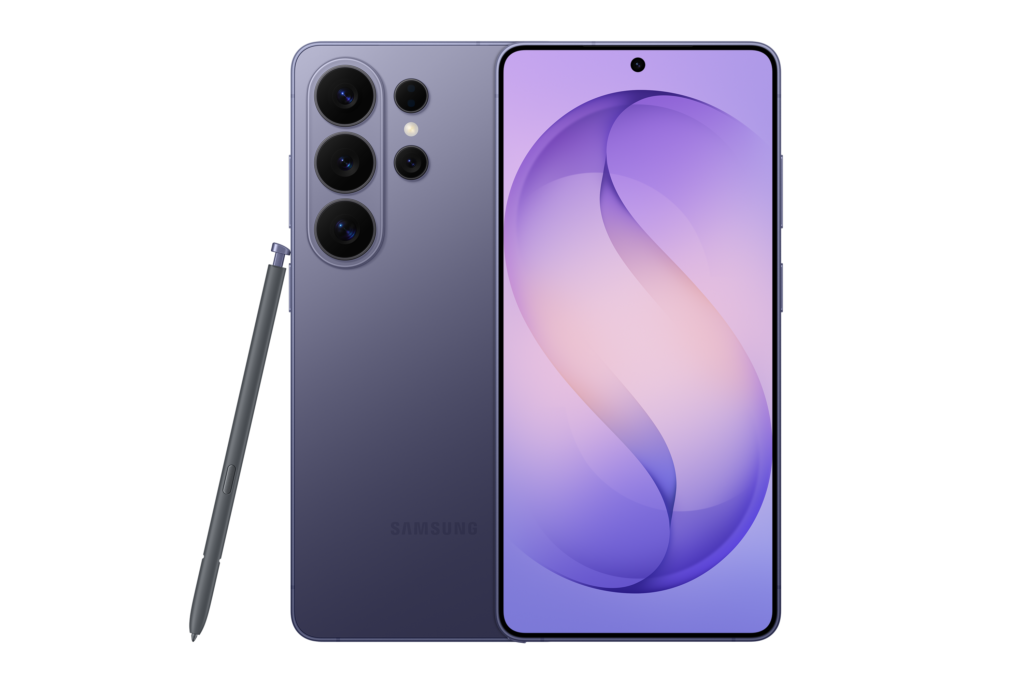
Samsung offers several distinct Galaxy series catering to different segments:
Galaxy S Series: The flagship line featuring Samsung’s best technology, including the latest Snapdragon or Exynos processors, top-tier AMOLED displays, and advanced camera systems. The Galaxy S24 series (2024) includes the Snapdragon 8 Gen 3 For Galaxy processor with octa-core configuration (1×3.39 GHz Cortex-X3 + 3×3.1 GHz Cortex-A720 + 2×2.9 GHz Cortex-A720 + 2×2.2 GHz Cortex-A520) and Adreno 750 GPU.wikipedia
Galaxy Z Series: Foldable phones including the Z Fold (tablet-like folding display) and Z Flip (compact clamshell design). Samsung leads the foldable market, pushing innovation in form factors.
Galaxy A Series: Mid-range devices offering flagship features at accessible prices. This series has become increasingly popular, challenging Chinese manufacturers in the value segment.
Galaxy M Series: Online-exclusive devices focused on battery life and value, primarily sold in emerging markets.
Key Features and Strengths
Display Technology: Samsung manufactures the world’s best smartphone displays. Galaxy phones feature vibrant Super AMOLED screens with high refresh rates (up to 120Hz), sharp resolutions, and exceptional brightness.wikipedia
Customization: Samsung’s One UI (version 6.1 on Galaxy S24) offers extensive customization options, allowing users to personalize nearly every aspect of their interface.wikipedia
Camera Versatility: Samsung phones typically include multiple cameras with various focal lengths. The Galaxy S24 features a 50 MP wide camera, 12.2 MP ultrawide, and 10 MP telephoto. Samsung excels at zoom capabilities, with some models offering 10x optical zoom and 100x digital zoom.wikipedia
S Pen Integration: The Galaxy Note lineage continues in the S Ultra series, including the S Pen stylus for productivity tasks, note-taking, and precise input.
Video Capabilities: Samsung supports 8K video recording at 24/30fps and 4K at 30/60fps, with high frame rate options for slow motion.wikipedia
Fast Charging and Wireless Charging: The Galaxy S24 supports 25W wired charging, 15W wireless charging, and wireless power sharing.wikipedia
Samsung’s strategy focuses on offering the most feature-rich Android experience with cutting-edge hardware, appealing to power users who want maximum customization and capabilities.
Sony Xperia: The Niche Premium Contender
History and Current State
Sony Xperia smartphones were launched in 2009, representing Sony’s entry into the Android smartphone market. Initially, Sony aimed to leverage its expertise in cameras, displays, and entertainment to create unique smartphones. However, Sony’s smartphone division has struggled to gain significant market share and has significantly scaled back operations in recent years.wikipedia
Despite limited market presence, Sony Xperia maintains a loyal following among enthusiasts who appreciate its distinctive approach. Sony devices now run Android with minimal customization, staying close to stock Android while adding Sony-specific features.sony
Distinctive Features
Sony Xperia phones differentiate themselves through several unique characteristics:
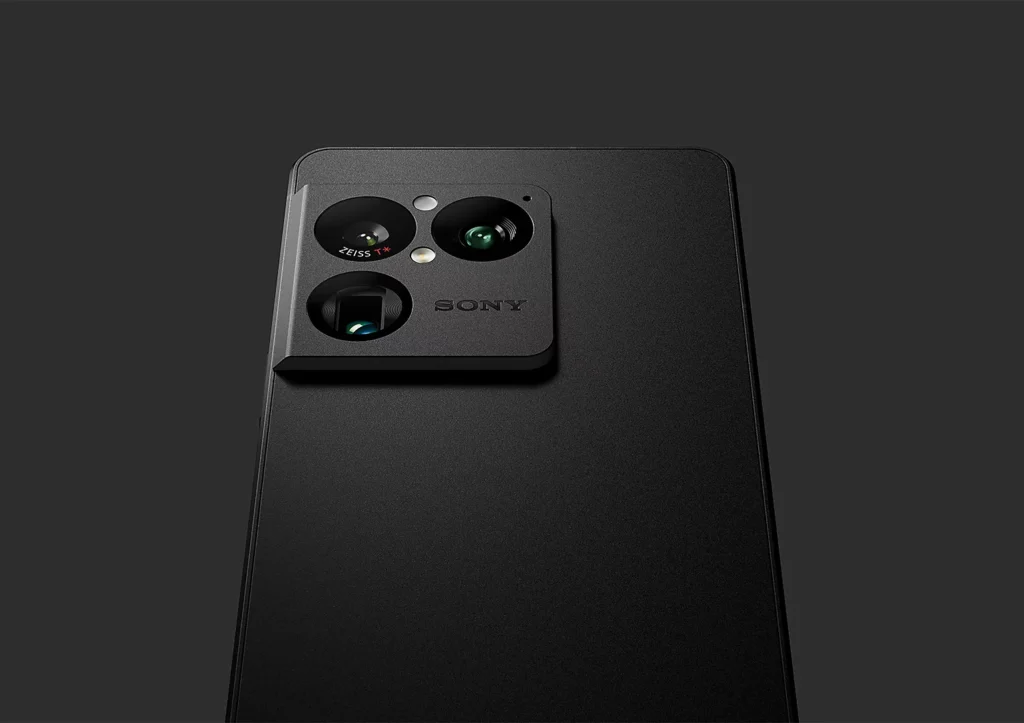
Camera Expertise: Sony leverages its world-leading camera sensor technology (Sony Semiconductor solutions supply cameras to most Android phones). Xperia phones feature dedicated camera buttons resembling professional cameras, manual controls, and Cinema Pro video applications.
Display Quality: Sony uses 4K HDR OLED displays on flagship models, offering the highest resolution smartphone screens available. The company’s Bravia television technology enhances color accuracy and HDR performance.
Audio Excellence: Sony includes high-resolution audio support, 360 Reality Audio, and maintains the headphone jack on many models—a feature increasingly rare in flagship phones.
Content Creation Tools: Xperia phones include professional video and photo applications designed for content creators, with features borrowed from Sony’s professional cinema and photography equipment.
Gaming Features: Some Xperia models include Game Enhancer features, 120Hz displays for smooth gaming, and optimized thermals for extended gaming sessions.
Design Philosophy: Sony maintains a unique “CinemaWide” aspect ratio (21:9) optimized for watching movies without black bars, and a tall, rectangular design that differs from competitors.
Challenges and Positioning
Sony’s smartphone business faces significant challenges:
- Limited Market Share: Sony holds less than 1% of the global smartphone market
- High Prices: Xperia phones are priced similarly to flagships from Apple and Samsung despite lower brand recognition
- Limited Software Support: Sony provides fewer years of OS updates compared to Apple and Samsung
- Reduced Availability: Xperia phones are not available in all markets and are harder to find in retail stores
Sony has acknowledged these challenges and appears to be focusing on niche markets rather than mass-market competition. The company continues to innovate but prioritizes profitability over market share growth. For photography enthusiasts, audiophiles, and content creators who value Sony’s unique features, Xperia remains compelling despite its limitations.
Xiaomi: The Disruptive Value Leader
History and Rapid Growth
Xiaomi was founded in 2010 by Lei Jun and quickly became one of the world’s largest smartphone manufacturers. The company’s strategy of offering high-specification devices at aggressive prices disrupted the global market. Xiaomi’s approach combines online sales efficiency with flash sales, minimal margins, and a focus on specifications per dollar.
Xiaomi has grown exponentially, becoming the third-largest smartphone manufacturer globally by 2021 and maintaining strong positions in Europe, Asia, and emerging markets. The company’s success in Asia Pacific—the region dominating 43.63% of the smartphone market—has been particularly notable.fortunebusinessinsights
Product Lineup
Xiaomi offers phones across multiple brands and price segments:
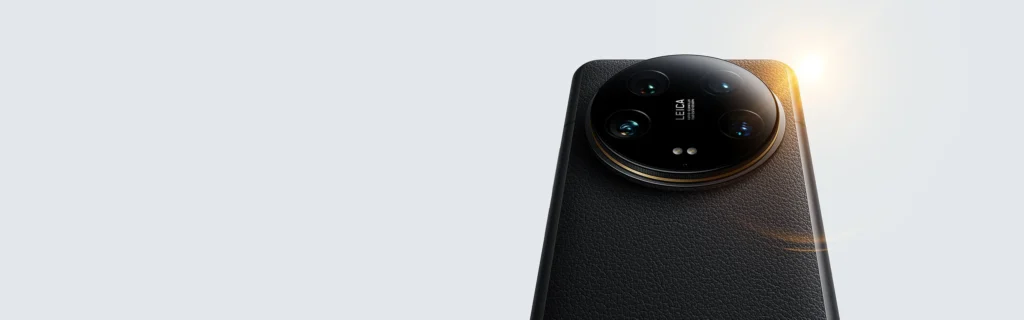
Xiaomi Number Series (e.g., Xiaomi 14, Xiaomi 13): Flagship devices with premium features, Leica-tuned cameras, and top-tier processors competing directly with Samsung Galaxy S and iPhone.
Xiaomi T Series (e.g., Xiaomi 13T): Premium mid-range devices offering flagship features at lower prices.
Redmi Series: Budget to mid-range devices that have made smartphones accessible to millions. Redmi phones offer impressive specifications at entry-level prices.
POCO Series: Gaming-focused budget devices emphasizing performance and value, popular among budget-conscious gamers.
Key Features and Strengths
Value Proposition: Xiaomi’s core strength is offering flagship specifications at mid-range prices. A Xiaomi phone often includes the same processor, similar cameras, and comparable displays as phones costing twice as much.
Leica Camera Partnership: Xiaomi partnered with Leica camera manufacturer to develop camera systems, bringing professional photography expertise to smartphone cameras. The partnership produces distinctive color science and optical quality.
MIUI/ HyperOS: Xiaomi’s custom Android skin (now transitioning to HyperOS) offers extensive customization, features, and theming options. The interface is feature-rich but can feel overwhelming to users preferring simplicity.
Fast Charging Pioneer: Xiaomi leads in charging technology, with some models supporting 120W wired charging that fully charges batteries in under 20 minutes.
Global Availability: Xiaomi sells in over 100 countries and ranks among the top three smartphone vendors in Europe, India, and Southeast Asia.
Ecosystem Integration: Xiaomi’s “AIoT” strategy includes smart home devices, wearables, and accessories that integrate with phones, creating a comprehensive ecosystem similar to Apple’s.
Challenges
Xiaomi faces several challenges:
- Profit Margins: The company maintains thin margins, limiting resources for R&D compared to Apple and Samsung
- Brand Perception: Xiaomi is often perceived as a budget brand despite offering premium devices
- Software Updates: Historically slower update distribution compared to Apple and Samsung, though improving
- Geopolitical Concerns: As a Chinese company, Xiaomi faces scrutiny in some markets regarding data privacy and security
Comparing the Four Brands
Price and Value
| Brand | Price Range | Value Proposition |
|---|---|---|
| iPhone | Premium ($499-$1,599+) | Long-term support, ecosystem, resale value |
| Samsung | Broad ($150-$1,800+) | Best displays, features, foldable innovation |
| Sony | Premium ($699-$1,400+) | Unique features for enthusiasts, camera expertise |
| Xiaomi | Budget to Premium ($100-$1,100) | Best specifications per dollar |
Operating Systems
- iPhone: iOS—closed ecosystem, smooth performance, 5-7 years of updates
- Samsung: Android with One UI—highly customizable, feature-rich, 4-5 years of updates
- Sony: Near-stock Android with Sony apps—clean interface, minimal bloat, 2-3 years of updatessony
- Xiaomi: Android with MIUI/HyperOS—feature-packed, customizable, varying update speeds
Camera Performance
- iPhone: Consistent computational photography, excellent video, natural colors
- Samsung: Versatile camera systems, excellent zoom, vibrant processing
- Sony: Professional controls, Leica-tuned (Xiaomi partnership actually), manual features
- Xiaomi: Leica partnership (with Xiaomi, not Sony), impressive specs, improving consistency
Build Quality and Design
- iPhone: Premium materials, consistent design language, water resistance
- Samsung: Premium AMOLED displays, diverse designs including foldables
- Sony: Unique 21:9 aspect ratio, 4K displays, headphone jack on some models
- Xiaomi: Variable quality depending on price segment, premium flagships match competitors
Software Support
- iPhone: Industry-leading 5-7 years of major iOS updates
- Samsung: Improved to 4-5 years of major Android updates on flagships
- Sony: 2-3 years of updates, improving but still behind
- Xiaomi: 2-4 years depending on model, improving with HyperOS
The Smartphone Market Landscape
Market Size and Growth
The smartphone industry continues growing despite market maturity. The market was valued at USD 520.45 billion in 2024 and is projected to reach USD 651.82 billion by 2030. By 2026, market value reached USD 642.64 billion, with projections of USD 1.129 trillion by 2034. This growth represents a CAGR of 7.30% from 2026-2034.grandviewresearch+1
Regional Dominance
Asia Pacific dominates the smartphone market with 43.63% share. This region includes major manufacturing hubs (China, South Korea) and massive consumer markets (China, India, Indonesia). The region’s dominance explains why Xiaomi (Chinese), Samsung (Korean), and Apple (designing in California, manufacturing in Asia) all focus heavily on Asian markets.fortunebusinessinsights
Technology Trends
5G Adoption: 5G networks are becoming standard, enabling faster downloads, lower latency, and new applications. All current flagships from iPhone, Samsung, Sony, and Xiaomi support 5G.
AI and Machine Learning: Artificial intelligence is increasingly embedded in smartphones for camera optimization, battery management, voice assistants, and new features like Apple Intelligence and Samsung Galaxy AI.
Foldable Displays: Samsung leads foldable innovation with Galaxy Z Fold and Z Flip. Other manufacturers are following, though Samsung maintains technology and market leadership.
Camera Advancement: Multiple lenses, periscope zooms, larger sensors, and computational photography continue improving smartphone photography, narrowing the gap with dedicated cameras.
Battery and Charging: Fast charging (60W-120W), wireless charging, and improved battery efficiency extend usage time. Xiaomi leads in charging speed while Apple and Samsung prioritize battery life and longevity.
Sustainability: Manufacturers are increasingly focusing on recycled materials, repairability, and longer software support to reduce electronic waste.
Which Smartphone Should You Choose?
Choose iPhone If:
- You value long-term software support and resale value
- You’re already invested in Apple’s ecosystem (Mac, iPad, Apple Watch)
- You prefer simplicity and consistency over customization
- Video recording quality is a priority
- You want the most app optimization and developer support
Choose Samsung If:
- You want the best Android experience with maximum features
- Display quality is paramount
- You want foldable options
- You value camera versatility and zoom capabilities
- You prefer customization without leaving the Android ecosystem
Choose Sony If:
- You’re a photography or content creation enthusiast
- You value unique features like 4K displays and headphone jacks
- You prefer near-stock Android with professional tools
- You appreciate distinctive design over mass appeal
- You’re willing to pay premium for niche features
Choose Xiaomi If:
- You want maximum specifications for your budget
- You’re comfortable with customization and learning new interfaces
- Fast charging is important to you
- You want flagship features without flagship prices
- You’re in a market where Xiaomi has good support and warranty
The Future of Smartphones
The smartphone industry faces both challenges and opportunities:
Market Saturation: With smartphone penetration high in developed markets, growth increasingly comes from emerging markets and upgrade cycles rather than first-time buyers.
Innovation Slowdown: Annual improvements have become incremental rather than revolutionary. Manufacturers are struggling to justify yearly upgrades to consumers.
New Form Factors: Foldables, rollables, and other innovative form factors may refresh consumer interest, though adoption remains limited.
AI Integration: On-device AI will enable new features, better performance, and more personalized experiences without cloud dependency.
Regulatory Pressure: Governments are imposing requirements for repairability, software support, charging port standardization (USB-C), and app store policies.
AR/VR Convergence: Smart glasses and AR devices may eventually complement or replace smartphones, though this transition will take years.
Conclusion
Smartphones have fundamentally transformed human civilization, becoming the primary interface between billions of people and digital information. The iPhone revolutionized the industry with intuitive touch interfaces and ecosystem integration. Samsung Galaxy devices brought Android to mainstream success with cutting-edge displays and features. Sony Xperia maintains a niche presence appealing to enthusiasts who value unique features. Xiaomi disrupted the market by offering flagship specifications at accessible prices.wikipedia+2
Each brand represents a different philosophy: Apple prioritizes integration and simplicity, Samsung emphasizes features and displays, Sony focuses on niche professional capabilities, and Xiaomi champions value and specifications. The smartphone market continues growing, valued at USD 520.45 billion in 2024 and projected to reach USD 651.82 billion by 2030, with Asia Pacific leading at 43.63% market share.grandviewresearch+1
For consumers, this competition means better products, more choices, and continued innovation. Whether you choose iPhone, Samsung, Sony, or Xiaomi depends on your priorities, budget, and ecosystem preferences. What’s clear is that smartphones will remain central to our lives for years to come, continuing to evolve and shape how we communicate, work, and experience the world.
The Smartphone revolution is far from over. As technology advances with AI, foldable displays, better cameras, and longer software support, our pocket computers will become even more capable and indispensable. The competition between Apple, Samsung, Sony, Xiaomi, and others ensures that innovation continues, benefiting consumers worldwide with better devices at every price point.

Leave a Comment